
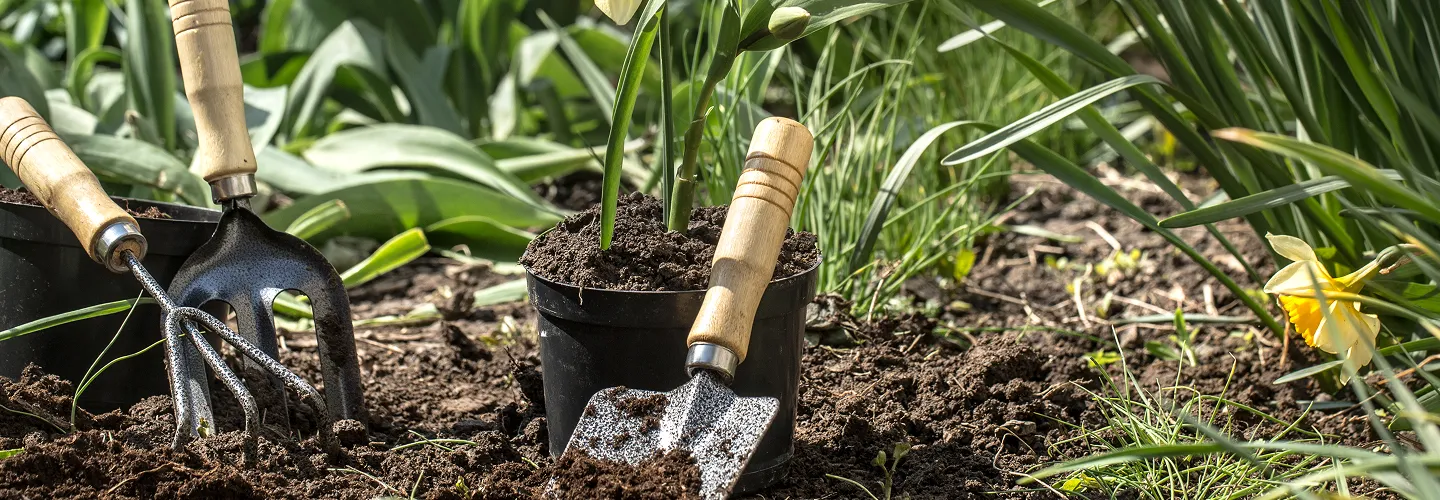
Hunters Creek Village Hedging Services
Choose our professional hedging services for precise shaping, healthy growth, and a lush, elegant landscape that enhances your property's curb appeal and privacy year-round.
Get a Free QuoteOur Hunters Creek Village Landscaping & Yard Care Services
When to Schedule Hedging in Hunters Creek Village, Texas – Seasonal Guide
In Hunters Creek Village, Texas, the best times for hedging are typically late winter through early spring and again in late summer. This timing takes into account the area’s humid subtropical climate, with mild winters and hot, humid summers. Scheduling hedging before the onset of new growth in spring helps maintain healthy, well-shaped hedges, while a late summer trim can tidy up growth before the cooler months. Local neighborhoods like Memorial Drive and the areas surrounding Hunters Creek Elementary often experience microclimates due to mature tree canopies and proximity to Buffalo Bayou, which can influence the ideal timing for landscape maintenance.
Environmental factors such as the region’s average last frost date in early March, periodic drought risk during late summer, and the heavy clay soils common in Hunters Creek Village all play a role in determining the best hedging schedule. Properties with dense shade from large oaks or magnolias, especially near the Houston Country Club, may require different timing compared to sunnier lots. For more information on local climate and municipal guidelines, visit the Sudbury town resources.
Local Factors to Consider for Hedging in Hunters Creek Village
- Tree density and shade coverage, especially in neighborhoods with mature landscaping
- Soil type, with heavy clay affecting drainage and root health
- Seasonal precipitation patterns and drought risk
- Proximity to landmarks like Buffalo Bayou, which can create microclimates
- Municipal restrictions or neighborhood association guidelines on landscape maintenance
Benefits of Hedging in Hunters Creek Village
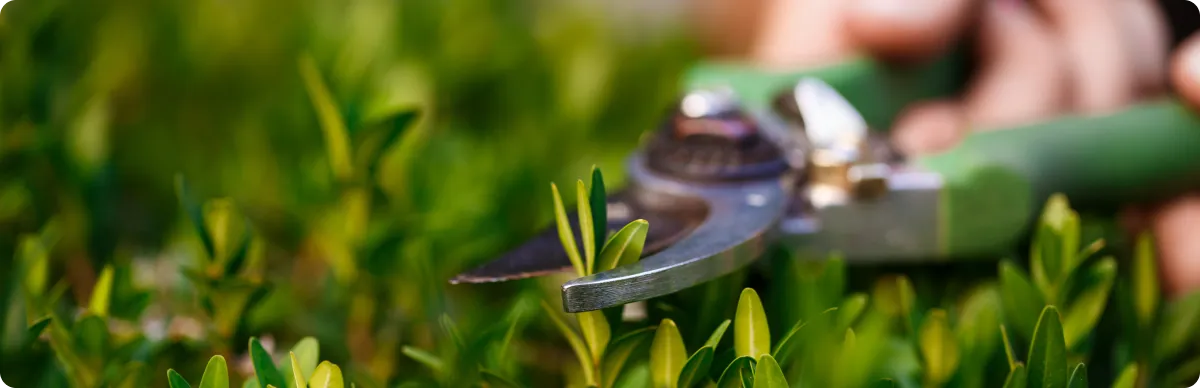
Enhanced Curb Appeal
Increased Property Value
Privacy and Noise Reduction
Professional Maintenance
Customized Hedge Designs
Expert Local Knowledge
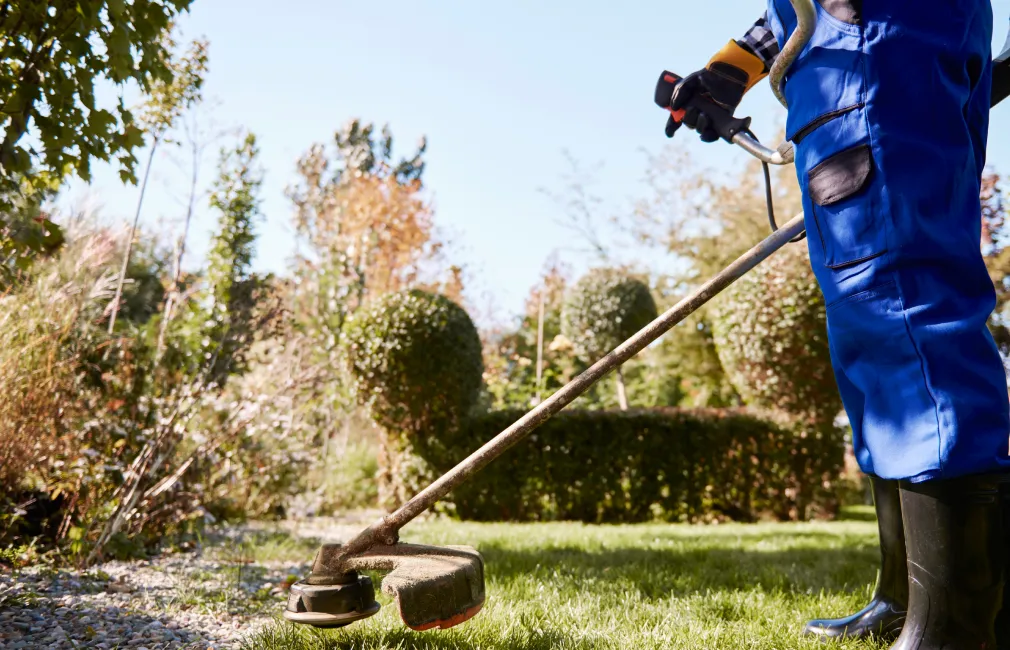
Hunters Creek Village Hedging Types

Boxwood Hedges
-
Privet Hedges
-
Yew Hedges
-
Holly Hedges
-
Ligustrum Hedges
-
Laurel Hedges
-
Arborvitae Hedges
Our Hedging Process
Consultation and Planning
Site Preparation
Precision Trimming
Cleanup and Inspection
Why Choose Hunters Creek Village Landscape Services
-
Hunters Creek Village Homeowners Trust Us
-
Expert Lawn Maintenance
-
Reliable Scheduling
-
Competitive Pricing
-
Professional Team
-
Satisfaction Guarantee
-
Personalized Service
Hunters Creek Village’s Hedging Ordinances and Municipal Coordination
Hedging activities in Hunters Creek Village are governed by specific municipal ordinances to ensure public safety, neighborhood aesthetics, and environmental protection. All hedge trimming and removal must comply with city code, including height restrictions and setback requirements outlined in the Hunters Creek Village Code of Ordinances. Equipment operation is permitted during the following hours:
- Monday-Friday: 7:00 AM - 7:00 PM
- Saturday: 8:00 AM - 6:00 PM
- Sunday and holidays: Prohibited
Debris from hedging must be placed in biodegradable bags or reusable containers (32-gallon maximum) for curbside collection on Thursdays, April through November. Branches over 4 inches in diameter are not accepted. For questions regarding compliance or collection schedules, residents should consult:
Hunters Creek Village Public Works Department
1 Hunters Creek Place, Hunters Creek Village, TX 77024
Phone: (713) 465-2150
Official Website: Hunters Creek Village Public Works Department
Soil Series and Drainage Considerations for Hedging in Hunters Creek Village
The predominant soils in Hunters Creek Village are classified as "Lake Charles clay" and "Bernard-Urban land complex" according to the USDA Web Soil Survey. These soils are characterized by high clay content, slow permeability, and a tendency toward poor drainage, especially after heavy rainfall. Soil pH typically ranges from 7.0 to 8.0, which can affect nutrient uptake for hedge species. When installing or maintaining hedges, it is recommended to:
- Amend soil with 2-3 inches of compost tilled to a 6-inch depth
- Conduct a soil test through Texas A&M AgriLife Extension (typical cost: $15-25)
- Apply sulfur if pH exceeds 7.5 to improve plant health
- Ensure planting beds are raised at least 6 inches above grade in poorly drained areas
These practices help mitigate root rot and promote vigorous hedge growth in local conditions.
Environmental Compliance: Stormwater, Buffer Zones, and State Regulations
Hedging work in Hunters Creek Village must comply with both municipal and state environmental regulations, particularly regarding stormwater management and protection of local water bodies. The city operates under an MS4 permit as required by the Clean Water Act and enforced by the Texas Commission on Environmental Quality (TCEQ). Key requirements include:
- No hedge clippings or debris may enter storm drains or ditches
- Maintain a 25-foot no-disturbance buffer from wetlands and drainage channels
- Fertilizer and pesticide applications are prohibited within 50 feet of water bodies
- All chemical applications must follow Texas Water Code
For environmental concerns or reporting violations, contact:
Harris County Pollution Control Services
101 S. Richey Street, Pasadena, TX 77506
Phone: (713) 920-2831
Official Website: Harris County Pollution Control Services
Selecting Hedge Species for Hunters Creek Village’s Climate and Urban Conditions
Hunters Creek Village is located in USDA Hardiness Zone 9a, with hot, humid summers and mild winters. Suitable hedge species must tolerate clay soils, periodic flooding, and urban heat. Recommended species and spacing include:
- Wax myrtle (Morella cerifera): 24-36 inches apart
- Yaupon holly (Ilex vomitoria): 18-24 inches apart
- Dwarf Burford holly (Ilex cornuta ‘Burfordii’): 24 inches apart
- Southern waxleaf privet (Ligustrum japonicum): 24-36 inches apart
- Native options: American beautyberry (Callicarpa americana), Texas sage (Leucophyllum frutescens)
For shaded sites, consider ‘Needlepoint’ holly or cherry laurel. All plantings should be mulched with 2-3 inches of organic material and irrigated deeply during establishment. For further guidance, consult:
Texas A&M AgriLife Extension
600 John Kimbrough Blvd, College Station, TX 77843
Phone: (979) 845-4747
Official Website: Texas A&M AgriLife Extension
Safety Protocols and Equipment Standards for Hedging Operations in Hunters Creek Village
All hedging operations must adhere to city safety standards and equipment regulations. Operators are required to use:
- Eye protection: ANSI Z87.1 safety glasses
- Hearing protection: Earmuffs or plugs for noise above 85 dB
- Footwear: Steel-toed boots with non-slip soles
- Gloves: Cut-resistant for pruning, chemical-resistant for applications
Maintain a 15-foot clearance from overhead power lines and ensure all equipment is fitted with functional mufflers. Commercial-grade trimmers and shears must be serviced every 20-25 hours of use. When working near public roads, set up warning signs at least 100 feet in advance and use high-visibility vests. For additional safety guidance, contact:
Village Fire Department
901 Corbindale Road, Houston, TX 77024
Phone: (713) 468-7941
Official Website: Village Fire Department
What Neighborhoods Do We Serve Throughout Hunters Creek Village, TX?
- Hunters Park: Features mature landscaping and large lots with heavy clay soils, requiring careful drainage management and species selection for hedging.
- Memorial Drive Estates: Characterized by established tree canopies and proximity to Buffalo Bayou, necessitating buffer compliance and flood-tolerant hedge species.
- Willowick: Newer development with compacted soils and HOA guidelines that specify hedge height and setback requirements.
- Shadywood: Noted for narrow streets and overhead utilities, which require strict adherence to equipment safety distances and traffic control during hedging operations.
- Creekside Manor: Located near drainage channels and wetlands, subject to 25-foot buffer zones and additional environmental compliance measures.
- Vosswood: Contains a mix of historic homes and modern builds, with variable soil conditions and unique maintenance needs for privacy hedges.
- Stablewood: Gated community with large properties, frequent deer presence, and specific HOA standards for hedge species and maintenance frequency.